
Makeup History
Some women brush powder across their cheeks, draw lines, and blend colours to enhance their features—turning their face into art. But where did it come from, and why did we start using it?
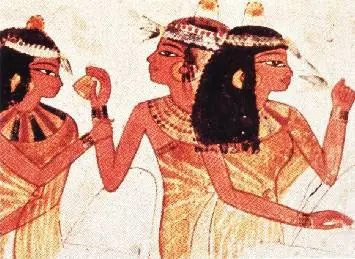
Makeup can be traced as far back as 4000 BCE. Inside ancient Egyptian pyramids, containers of cosmetics and references in art show that both men and women wore makeup. They used kohl to blacken their eyes and copper for green eyeshadow representing the gods Horus and Re. Some early cosmetics were dangerous; lead and arsenic caused illness and even deaths.
There are several things that we use in our everyday lives that we have very little knowledge of and the many people who died trying to make them safe for human use or consumption—makeup being one of them. Some women pick up a brush filled with powder and swipe it across their cheeks. They may then move on to draw intricate lines, patting in a mixture of colours to enhance their features. But where did it come from? Makeup can be traced as far back as 4000 BCE.
Pale skin became a sign of wealth in the 16th Century and women sought drastic measures to achieve that look. Lead was used to lighten the face, paired with a rosy cheek. Some women used fruits such as cherries or strawberries to stain their lips. Red beet juice would also be rubbed into the cheeks, or the cheeks would be pinched. For bright eyes, a drop of lemon juice in each eye would do the trick.
The Elizabethan era was a frightening time in makeup history where more obvious makeup became popular. Heavier makeup was worn all the way down to the neck. Women would keep their makeup on for at least a week and when they would take it off with rosewater, lemon juice or mixtures of eggshells, alum, mercury and honey. White skin signified a life of leisure.
A movement against cosmetics appeared in the mid-19th Century when Britain’s Queen Victoria declared makeup to be vulgar, resulting in cosmetics going out of style. But many women would still wear makeup in secret. There was much disdain for cosmetics in ancient Rome as they associated its use with sex workers.
Visible makeup regained popularity in the early 1920s. The ’60’s gave birth to the hippie era and with that came a more liberated and vibrant makeup look. Heavily lined eyes continued through the ’70’s and ’80’s with a wide range of eye shadow colours.
The history of makeup has been quite varied and colourful, but makeup today continues to be incredibly culturally diverse. While some women still prefer a more natural look, there are others who prefer bold colours and artistic designs. How do you wear your makeup?